
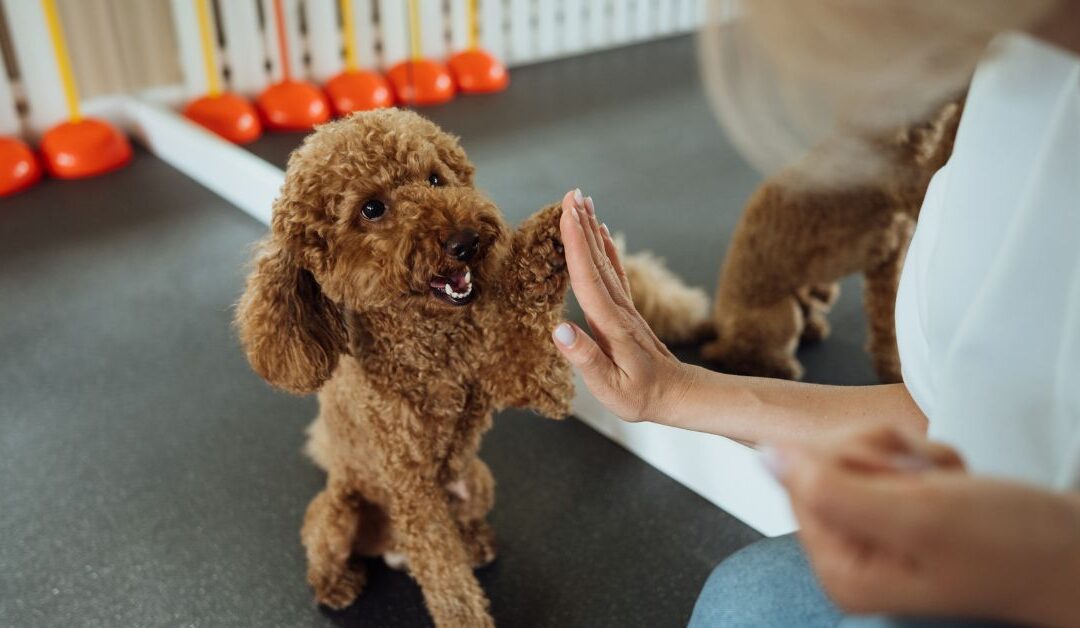
Every pet owner dreams of a well-behaved, happy, and obedient companion. However, pets don’t come with instruction manuals, and improper training can lead to behavioral challenges like excessive barking, chewing, or litter box issues. Focusing on pet training & behavior not only improves obedience but also strengthens the bond between you and your furry friend. In this guide, we’ll provide a step-by-step approach to raising a well-behaved pet while keeping training positive, effective, and stress-free.
Step 1: Understand Your Pet’s Behavior
Before starting training, it’s essential to observe and understand your pet:
- Breed and age considerations: High-energy breeds may need more physical and mental stimulation, while senior pets may require gentler approaches.
- Body language cues: Learn signs of stress, anxiety, or excitement, such as tail position, ear orientation, or vocalizations.
- Individual personality: Some pets are naturally independent, while others crave human interaction.
Pro Tip: Understanding your pet’s temperament sets the foundation for successful training.
Step 2: Set Clear Goals
Training is more effective when you define clear, realistic goals:
- Basic obedience: Sit, stay, come, and leash manners.
- Behavioral correction: Discourage chewing furniture, excessive barking, or litter issues.
- Socialization: Teach pets to interact calmly with other animals and people.
Tip: Focus on one skill at a time and gradually build complexity.
Step 3: Use Positive Reinforcement
Positive reinforcement is the most effective and humane training method:
- Rewards: Treats, praise, or playtime encourage desired behaviors.
- Timing: Reward immediately after the behavior to reinforce the connection.
- Consistency: Everyone in the household should use the same commands and rewards.
Example: Giving a small treat every time your dog sits on command reinforces obedience without fear or punishment.
Step 4: Employ Training Tools Wisely
The right tools can support your pet training & behavior goals:
- Clickers: Excellent for precise behavior marking, especially in dogs.
- Treat-dispensing toys: Encourage problem-solving and good habits.
- Training pads: Useful for housetraining puppies or senior pets.
Tip: Tools should complement, not replace, consistent guidance and attention.
Step 5: Create a Structured Routine
Pets thrive on structure, which reduces stress and reinforces training:
- Consistent schedules: Feeding, playtime, and training sessions at regular times.
- Short, frequent sessions: 5-10 minute intervals multiple times a day are more effective than long sessions.
- Gradual progression: Increase difficulty as your pet masters each skill.
Pro Tip: Predictable routines help pets understand expectations and reduce behavioral issues.
Step 6: Monitor Progress and Adjust
Training is an ongoing process, and patience is key:
- Track improvements and setbacks
- Adjust methods if a particular approach isn’t working
- Celebrate small milestones to maintain motivation for both you and your pet
Insight: Even minor progress builds confidence, reinforcing positive behaviors over time.
Bonus Tips for Success
- Socialize early to prevent fear or aggression
- Avoid punishment-based training, which can create anxiety
- Make training a fun bonding activity, not a chore
- Incorporate mental stimulation like puzzle toys alongside obedience training
Raising a well-behaved pet is a combination of understanding, consistency, and positive reinforcement. Focusing on pet training & behavior from an early age—or adjusting habits for older pets—ensures a happy, obedient, and stress-free companion.
Explore our recommended training tools and behavior products to support your pet’s learning journey and strengthen your bond every day.