
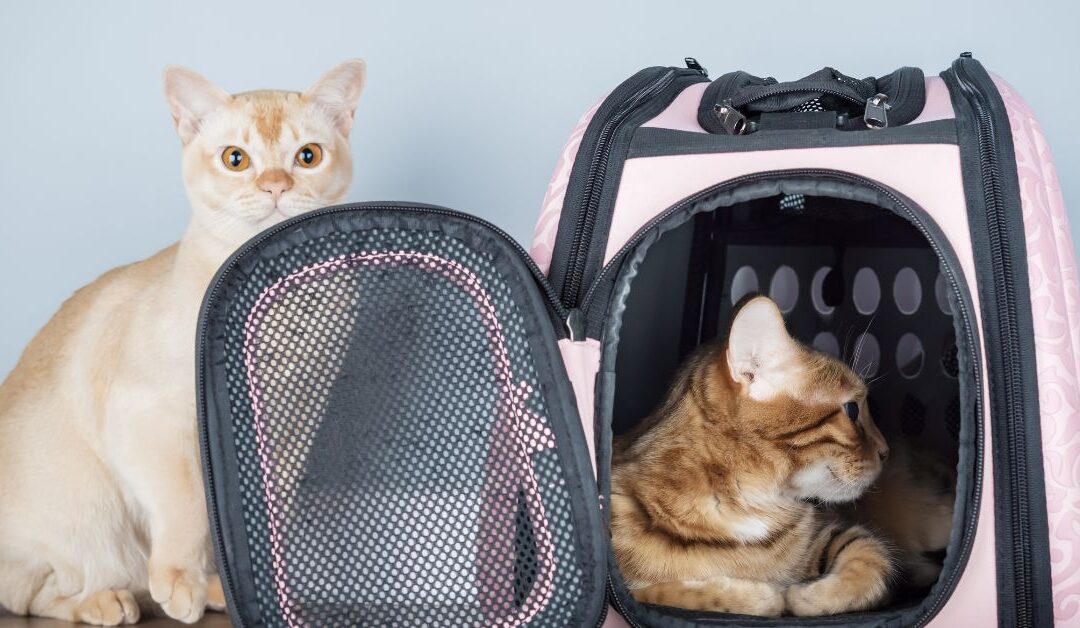
Traveling with pets can be both exciting and challenging. From short car rides to longer journeys, ensuring your furry friend stays safe, comfortable, and calm is essential. The right pet travel & carriers not only protect your pet but also reduce stress for everyone involved. In this guide, we’ll share actionable steps to make every trip enjoyable and hassle-free, whether it’s a road trip, plane journey, or a simple visit to the vet.
Step 1: Choose the Right Carrier
The foundation of stress-free travel is a safe and comfortable carrier:
- Size matters: Your pet should be able to stand, turn, and lie down comfortably.
- Ventilation: Look for carriers with mesh panels or breathable materials.
- Durability and security: Sturdy zippers and reinforced walls prevent escapes.
- Type options: Hard-sided carriers for extra protection; soft-sided for lightweight convenience.
Tip: For airline travel, ensure the carrier meets airline regulations.
Step 2: Prepare Your Pet for Travel
Pets need time to adjust to carriers and new environments:
- Familiarization: Allow your pet to explore the carrier at home, adding blankets or toys.
- Short practice trips: Take brief car rides to build confidence.
- Positive reinforcement: Treats, praise, and gentle encouragement make the carrier a positive space.
Expert insight: Pets accustomed to carriers experience lower anxiety during actual travel.
Step 3: Pack Essential Travel Supplies
Being prepared ensures comfort and safety on the go:
- Food and water: Collapsible bowls for easy feeding and hydration.
- Comfort items: Blankets, toys, or familiar clothing to reduce stress.
- Hygiene items: Pet wipes, paper towels, and waste bags for accidents.
- Safety gear: Harnesses, seatbelt attachments, or travel restraints for cars.
Tip: Keep all essentials in an easily accessible bag for quick stops.
Step 4: Travel Safely by Car or Plane
Safety precautions vary depending on travel method:
Car Travel
- Secure the carrier or use a pet seatbelt harness.
- Avoid leaving pets unattended in hot or cold cars.
- Take breaks every 2-3 hours for water, bathroom, and short walks.
Air Travel
- Confirm airline pet policies and health requirements.
- Avoid tranquilizers unless approved by a veterinarian.
- Place a familiar blanket or toy in the carrier to reduce anxiety.
Statistic: Properly restrained pets are 70% less likely to be injured in a car accident.
Step 5: Maintain Comfort During Travel
Small adjustments can make trips smoother:
- Temperature control: Keep the environment comfortable; avoid direct sun or drafts.
- Calm environment: Reduce loud noises and sudden movements.
- Interactive breaks: Give your pet short walks or play sessions during stops.
Pro Tip: For long trips, schedule consistent feeding times to prevent digestive discomfort.
Step 6: After the Trip
Post-travel care helps pets recover and associate travel with positive experiences:
- Rest and hydration: Provide a quiet space to relax.
- Inspect for stress signs: Check for anxiety, excessive panting, or digestive issues.
- Reward positive behavior: Praise and treats reinforce calm behavior during travel.
Traveling with pets doesn’t have to be stressful. With the right pet travel & carriers, preparation, and safety precautions, you can enjoy trips with your furry companions confidently and comfortably. Whether it’s a short ride or a long adventure, planning ahead ensures happy pets and peace of mind for owners.
Explore our range of pet travel carriers and accessories to make every journey safe, comfortable, and enjoyable for your furry friend.